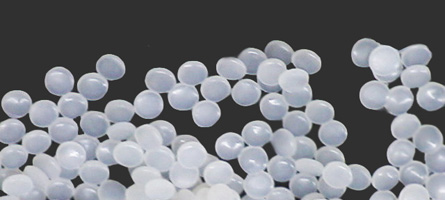
Polyester (PET)
Polyester is formed when polyester is combined with diacids and diols. This combination produces a resin that retains its strength, clarity, and mechanical properties. Polyester’s versatility and flexibility makes it an effective choice for high-volume, low-cost parts as well as critical, more expensive component parts. One of the most popular copolyesters on the market today is Eastman’s Tritan.
Common Uses:
- Infant Products: Reusable bottles, pacifiers, sippy cups, bottle sterilizer lids
- Appliances: flour care, dishwasher parts, refrigerator ice buckets, refrigerator inside doors, small and large applicance parts
- Medical devices
- Consumer industry: housewares, furniture, bags, film
Physical Properties:
- Specific Gravity - 1.17 g/cm
- Tensile Strength - 6380 psi
- Flexural Strength - 9570 psi
- Impact Strength - 2.36 ft-lb/in
General Properties:
- High temperature resistance
- Easy processing
- High impact resistance
- Excellent clarity
- Excellent toughness
- High chemical resistance
- Some grades FDA approved
Processing:
- Injection Molding
- Extrusion
Call Project Engineering at (713)643-6577 or ask an engineer